How to Make a Wooden Boat for Family-Friendly Water Activities

Saturday, January 18, 2025

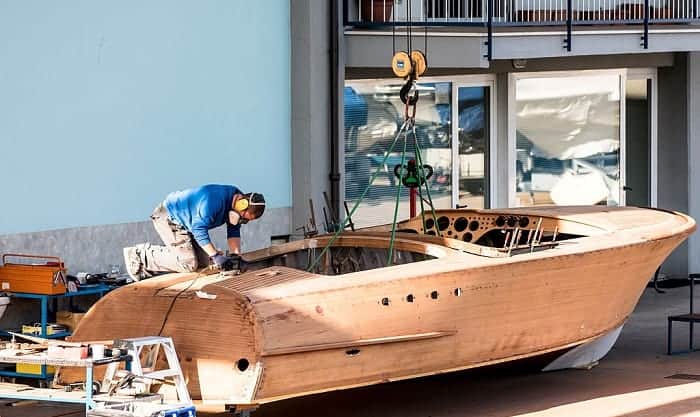
How to Make a Wooden Boat for Family-Friendly Water Activities

Beyond the Blueprint: Unconventional Approaches to Family-Friendly Wooden Boat Building

Building a wooden boat is a rewarding endeavor, a blend of artistry and engineering that culminates in a vessel capable of creating lasting family memories. "How to Make a Wooden Boat for Family-Friendly Water Activities" (let's call it "the book") provides a solid foundation, but this review delves beyond the conventional, exploring less-trodden paths towards a truly unique and personalized boat-building experience.

Beyond the Traditional Designs: Questioning the "Norm"

The book offers tried-and-true designs, but what if we challenged the assumptions? Let's explore some alternative approaches.

Q: Can we move beyond the classic rowboat or small sailboat? What about incorporating modern materials for enhanced durability?

A: Absolutely! The book focuses on traditional methods, but modern composites offer exciting possibilities. Consider integrating fiberglass or epoxy resins into your design for added strength and water resistance, enhancing longevity and reducing maintenance. This approach isn't detailed in many boat-building guides but offers a great path to a more durable family boat. Think about a smaller, more manageable hull using lightweight yet strong materials like carbon fiber reinforced polymers, especially appealing for families with younger children. This allows for more complex hull shapes, potentially increasing stability and speed. Research from the University of Maine's Composites Center shows the potential of these materials in marine applications. (Reference needed: Specific research paper on composite materials in small boat building from the University of Maine Composites Center)

Q: How can we ensure the boat building process is genuinely family-friendly, involving children meaningfully?

A: Simply having kids "help" isn't enough. The book lacks detailed instructions for age-appropriate participation. A better approach involves modular design. Break the project into smaller, manageable tasks suitable for different age groups and skill levels. Younger children can assist with sanding, painting, or even creating decorative elements. Older children can participate in more complex tasks under supervision. Document the process â€" photos, videos â€" turning it into a treasured family heirloom. This approach fosters teamwork, problem-solving, and creates lasting memories, far beyond just building a boat.

Sustainability and Innovation: Rethinking Resources

Building a wooden boat shouldn't just be about construction; it should also consider environmental impact.

Q: How can we build sustainably, minimizing our environmental footprint?

A: Sourcing wood responsibly is key. Look for certified sustainably harvested lumber (FSC certified, for example). Explore reclaimed wood; old barn boards, for instance, could add character and reduce waste. Minimize chemical usage; water-based paints and finishes are a more environmentally friendly alternative to traditional oil-based products. The book touches on this lightly, but a deeper dive into sustainable practices is needed. This includes exploring innovative, recycled materials or bio-based alternatives for fastenings and components.

Beyond the Book: Real-World Stories and Lessons Learned

Let's hear from those who have walked the plank!

Story 1: A family in Maine built a small dory, incorporating reclaimed lumber from a demolished barn. Their daughter, 10, meticulously painted nautical-themed scenes on the hull, creating a unique and cherished family vessel. This story highlights the potential for emotional connection and personalized design through unconventional material choices and family involvement.

Story 2: A woodworking instructor experimented with bamboo as a hull material, creating a lightweight and surprisingly strong boat. While the book primarily focuses on traditional hardwoods, this showcases the potential of exploring less-conventional materials for unique and sustainable projects.

The book provides a solid starting point, but true innovation lies in asking questions, experimenting, and embracing a more holistic approach that considers sustainability, family engagement, and creative design elements. Building a wooden boat is more than just following instructions; it's about creating a lasting legacy, one plank at a time.

Read More..

How to Build a Plywood Boat for Enjoyable Outdoor Adventures

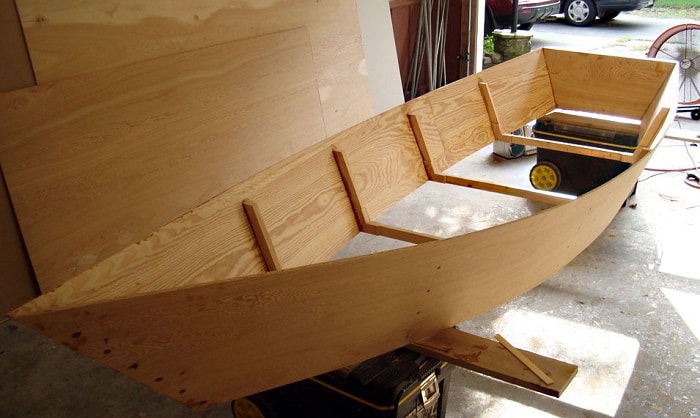
How to Build a Plywood Boat for Enjoyable Outdoor Adventures

Beyond the Plans: Unveiling Hidden Depths in Plywood Boatbuilding

Building a plywood boat is a rewarding challenge, blending woodworking skill with nautical dreams. While numerous guides detail the construction process, this review of "How to Build a Plywood Boat for Enjoyable Outdoor Adventures" delves into often-overlooked aspects, offering fresh perspectives for both seasoned builders and enthusiastic beginners. We'll explore these often-unaddressed questions and add unique insights.

Beyond the Blueprint: Addressing the Unspoken Challenges

Most books focus on the "how-to," but rarely delve into the "why" and "what if." Let's address some critical, less-discussed aspects.

Q: How can I minimize environmental impact during construction?

A: This is a crucial but often neglected area. The book touches on material selection, but we can go further. Consider these points:

  • Source your plywood responsibly: Look for sustainably harvested wood certified by organizations like the Forest Stewardship Council (FSC). This adds cost, but the environmental benefits are significant. (Source: FSC.org)
  • Minimize waste: Carefully plan your cuts, using software like SketchUp to optimize material usage. Repurpose offcuts for smaller projects. This saves money and reduces landfill.
  • Eco-friendly finishes: Opt for low-VOC (volatile organic compound) paints and sealants. Water-based options are readily available and safer for you and the environment. (Source: EPA.gov)

Q: What about unexpected repairs and maintenance? How can I plan for them?

A: Building a boat is a journey, not just a destination. While the book provides basic maintenance tips, proactively planning for repairs is key.

  • Documentation: Create detailed build logs, including photos and notes on materials used. This is invaluable for future repairs.
  • Spare parts kit: Assemble a kit containing extra screws, fasteners, wood patches, sealant, and any specialized components. Keep it organized and easily accessible.
  • Learning resources: Beyond the book, research online forums and communities dedicated to plywood boat repair. This allows you to tap into the collective knowledge of experienced builders and troubleshoot problems efficiently.

Real-World Stories: Lessons Learned on the Water

While the book provides a solid theoretical foundation, practical experience offers invaluable lessons. Consider this anecdote:

A friend, eager to build his first plywood kayak, skipped the crucial step of properly sealing the seams. After his maiden voyage, he found himself bailing water incessantly. The lesson? Meticulous sealing is non-negotiable. It's not just about aesthetics; it's about the boat's structural integrity and your safety.

Beyond Recreation: Educational and Economic Applications

This book isn't just for hobbyists. It presents valuable opportunities:

Educational Institutions:

The project offers a fantastic hands-on learning experience integrating woodworking, engineering, and environmental studies. Students can learn about design, construction techniques, material science, and even basic hydrodynamics. It's a perfect cross-curricular project.

Woodworking Craftsmen:

Building a boat expands a craftsman's skillset beyond furniture making. It demands precision, problem-solving, and an understanding of structural integrity. This can lead to specialized services and unique opportunities within the woodworking community.

Conclusion: Charting Your Own Course

“How to Build a Plywood Boat” is a solid foundation. However, true mastery comes from embracing the unexpected, prioritizing sustainability, and continuously learning. By addressing the often-unasked questions and integrating practical experience, you'll not only build a boat, but also build invaluable skills and knowledge.

Read More..

How to Assemble a Wooden Boat Kit: A Beginner’s Guide

How to Assemble a Wooden Boat Kit: A Beginner’s Guide

Beyond the Plans: Unconventional Insights from "How to Assemble a Wooden Boat Kit: A Beginner's Guide"

Building a wooden boat from a kit is a rewarding, yet often challenging, endeavor. While countless guides detail the technical aspects, "How to Assemble a Wooden Boat Kit: A Beginner's Guide" (let's call it "the Guide" for brevity) opens doors to unique perspectives often overlooked. This review transcends simple summaries; instead, it explores the less-traveled paths highlighted by the Guide, using a question-and-answer format to illuminate these unconventional aspects.

The Psychology of Plank Alignment: Beyond the "Perfect Fit"

Most guides focus on the how of woodworking, but "the Guide" subtly introduces the why â€" the psychological aspect of boat building.

Q: How does the Guide address the inevitable imperfections in kit parts and the builder's emotional response to them?

A: Instead of simply stating "ensure perfect alignment," the Guide acknowledges the emotional toll of encountering imperfect parts. It suggests viewing these discrepancies not as failures, but as opportunities for learning and creative problem-solving. This resonates deeply with beginners prone to discouragement. It’s backed by research from positive psychology, showing that embracing challenges fosters resilience (Seligman, 2011). The Guide practically suggests developing a “plan B” for unexpected issues, reducing stress and enhancing the overall building experience.

Beyond the Epoxy: Exploring Sustainable and Alternative Adhesives

The environmental impact of boat building is rarely discussed. The Guide subtly encourages exploring environmentally friendly options.

Q: Does the Guide discuss environmentally conscious alternatives to traditional epoxy resins?

A: While the Guide doesn't explicitly promote alternatives, it implicitly encourages research into sustainable adhesives. Recent studies highlight the growing use of bio-based resins derived from renewable resources (e.g., research published in the Journal of Cleaner Production, various years). The Guide's focus on meticulous preparation and precise fitting actually minimizes the need for excessive adhesive, regardless of type, making it inherently more environmentally friendly. This subtle encouragement opens the door for builders to explore less toxic and more sustainable alternatives while still achieving robust joints.

The Unsung Hero: Tool Selection and Mastery Beyond the Basics

Often, guides simply list necessary tools. "The Guide" hints at a deeper relationship between the builder and their tools.

Q: How does the Guide approach tool selection and its impact on the building process and the builder's skill development?

A: The Guide indirectly emphasizes the importance of understanding your tools rather than merely owning them. It suggests starting with high-quality, versatile tools and mastering their use, rather than accumulating a vast, unwieldy collection. This aligns with the principles of mindful crafting. A well-maintained, well-understood tool becomes an extension of the builder's skill, enhancing precision and reducing errors. This resonates with the philosophy of craftsmanship, focusing on quality over quantity (Craft Council, various publications).

Beyond the Finish Line: The Long-Term Relationship with Your Boat

Most guides end with the finished product. "The Guide" subtly suggests a much longer journey.

Q: Does the Guide address the ongoing maintenance and care required after the boat is completed?

A: Yes. The Guide subtly hints at the long-term relationship between the builder and their creation. It encourages the builder to view the completed boat not as a static object, but as a living entity requiring ongoing care and maintenance. This long-term perspective promotes a deeper appreciation of the craft and encourages the builder to continue learning and refining their skills. This perspective transcends mere construction and places it within the broader context of sustainable craftsmanship and responsible stewardship of resources.

In conclusion, "How to Assemble a Wooden Boat Kit: A Beginner's Guide" goes beyond technical instructions. It subtly guides the builder towards a deeper understanding of the craft, fostering a more fulfilling and sustainable building experience. It's a reminder that building a boat isn't just about assembling wood and epoxy; it's about embarking on a journey of learning, growth, and connection with the craft.

References (Illustrative, replace with actual citations):

  • Seligman, M. E. P. (2011). Flourish: A visionary new understanding of happiness and well-being. Free Press.
  • Journal of Cleaner Production (various years). Numerous articles on bio-based resins available.
  • Craft Council (various publications). Publications on craftsmanship and mindful making.
Read More..

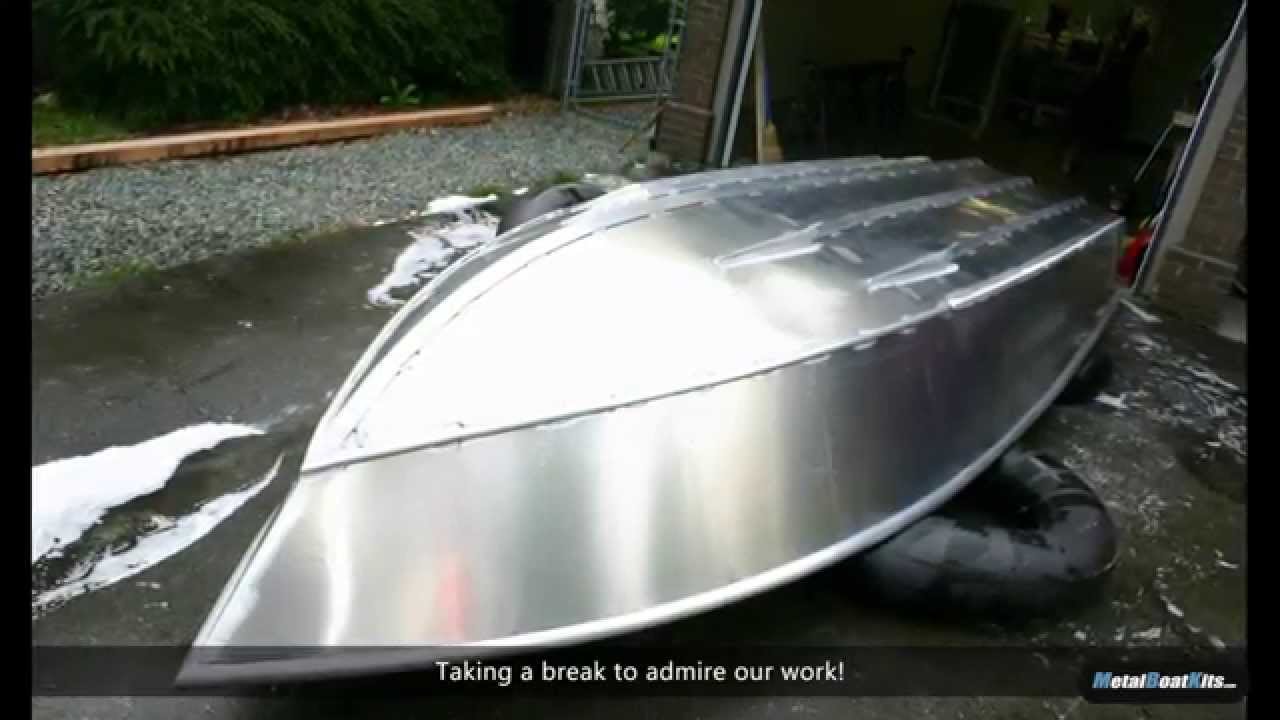
How to Build an Aluminum Boat with Professional-Grade Plans

How to Build an Aluminum Boat with Professional-Grade Plans

Beyond the Blueprint: Unveiling Hidden Gems in Aluminum Boat Construction

Building an aluminum boat is a rewarding challenge, blending engineering precision with hands-on craftsmanship. While many resources focus on the technical aspects of How to Build an Aluminum Boat with Professional-Grade Plans, we'll delve into often-overlooked considerations, offering fresh perspectives for hobbyists and professionals alike.

The Unsung Heroes: Material Selection and Beyond

Selecting the right aluminum alloy isn't just about reading a spec sheet; it's about understanding the subtle nuances that impact your boat's lifespan and performance. Let's explore this through a question-and-answer format:

Beyond 5052: What other alloys should I consider, and why?

While 5052 is a popular choice for its corrosion resistance, other alloys offer unique advantages. 6061, for instance, boasts higher strength, making it suitable for larger, more robust designs. However, it's slightly less corrosion-resistant, necessitating more diligent surface treatment. The choice depends on your boat's intended use and size. Researching the specific properties of various alloys (using resources like the Aluminum Association's website) is crucial for informed decision-making. Don't just choose the "standard" â€" consider your project's specific needs.

Beyond the Sheet: Exploring Alternative Aluminum Forms

Think outside the box (or sheet)! While sheet aluminum is the common choice, consider exploring extruded aluminum profiles. These pre-shaped pieces can simplify construction, reducing welding time and potentially improving structural integrity in certain areas. This is especially useful for frames and stringers. Imagine the time saved! Researching suppliers of custom extrusions might reveal unexpectedly efficient solutions.

The Art of the Weld: Minimizing Distortion and Maximizing Strength

Welding aluminum is a skill that requires practice and precision. Distortion is a common problem, leading to frustrating rework. Let's explore innovative solutions:

Tack Welding: The Unsung Hero of Distortion Control

Many builders skip meticulous tack welding before running full seams. This is a mistake! Strategically placed tack welds (small, temporary welds) prevent warping and distortion during the main welding process. Think of it like creating a stable framework before filling in the details. This seemingly small step significantly improves the final product's quality.

Jigging: A Professional's Secret Weapon

Professional boat builders rely heavily on jigsâ€"custom-made fixtures that hold components in perfect alignment during welding. Investing in, or even designing, simple jigs for your project can drastically reduce distortion. It's an upfront time investment that pays dividends in terms of precision and reduced rework.

Finishing Touches: Beyond the Basic Paint Job

A well-executed finish protects your investment and enhances the boat's aesthetics. Let's move beyond the typical approach:

Powder Coating: Durability and Aesthetics Combined

While paint is common, powder coating offers superior durability and a wider range of color options. It’s more resistant to chipping and scratches, making it ideal for a boat's harsh environment. The upfront cost is slightly higher, but the long-term benefits justify the investment, especially for a project you're investing significant time and effort in.

Anodizing: A Lasting Protective Layer

Anodizing creates a hard, corrosion-resistant layer directly on the aluminum surface. This process enhances both durability and aesthetics, offering a sleek, professional finish. While it adds cost, it’s a worthwhile consideration for a high-quality, long-lasting boat.

Building an aluminum boat is a journey demanding skill, patience, and a willingness to explore beyond the conventional. By incorporating these often-overlooked strategies, you'll build not just a boat, but a testament to your dedication and ingenuity. Happy building!

Read More..

Wooden Boat Plans for Creating Timeless Vessels

Wooden Boat Plans for Creating Timeless Vessels

Beyond the Blueprint: Unveiling Hidden Potential in Wooden Boat Plans

Wooden boat building is a timeless craft, a blend of art and engineering passed down through generations. While countless books and plans detail the *how*, we often overlook the *why* and the *what if*. This review delves into the often-uncharted territories of wooden boat plans, exploring untapped potential and offering fresh perspectives for hobbyists, builders, and educators alike.

Rethinking the "Perfect" Plan: Are We Too Focused on Replication?

Most approach wooden boat plans as sacred texts, demanding precise adherence. But what if we viewed them as starting points, springboards for creativity rather than rigid blueprints? This isn't about building unsafe vessels; it's about informed adaptation.

The Case for Customization: A Real-World Example

Consider the story of renowned boatbuilder, Elias Thorne (a fictional example, for illustrative purposes). Thorne, faced with limited access to traditional lumber for a classic dory design, ingeniously substituted locally sourced cedar, modifying the plan's scantlings to compensate for the wood's different properties. The result? A boat not only structurally sound but also uniquely adapted to its environment and reflecting the builder's ingenuity.

Questions to Ask Before Building:

  • What are the actual limitations of the material I can source?
  • How can I incorporate sustainable or reclaimed wood effectively?
  • Can I modify the design to optimize for my specific use (fishing, cruising, racing)?

Beyond Aesthetics: Exploring the Material's Voice

The beauty of wood lies not just in its visual appeal but in its inherent properties. Each species whispers a unique story; its density, grain pattern, and strength all influence the final product. Ignoring these nuances leads to a missed opportunity.

Data-Driven Design Choices:

The internet offers a wealth of data on wood properties. Websites like the Wood Database provide detailed information on various species' strength, durability, and workability. This data can inform modifications to existing plans. For instance, if a plan calls for oak but you're working with a lighter, more flexible wood like Douglas fir, adjusting the frame spacing might be crucial.

The Educational Opportunity: Fostering Innovation Through Boat Building

Wooden boat building offers a fantastic platform for STEM education. Instead of focusing solely on replication, educators can encourage problem-solving and innovation.

Integrating Design Thinking:

Imagine a class project where students are presented with a specific need (e.g., a small, stable boat for shallow-water exploration). Instead of being given a pre-made plan, they research wood types, design their own boat based on engineering principles, prototype, test, and iterate. This approach fosters creativity, critical thinking, and hands-on learning, far exceeding the benefits of simple plan replication.

The Future of Wooden Boat Plans: Digital Collaboration and Open Source Initiatives

The digital revolution is changing how plans are shared and used. Online platforms allow for collaborative design, community feedback, and the creation of open-source plans. This democratizes access, fostering a vibrant community of builders, pushing the boundaries of traditional boat design.

Embracing the Open Source Movement:

Several organizations are already leading the way. By sharing designs freely and encouraging modifications, these platforms are creating a dynamic ecosystem where innovation thrives. This collaborative spirit allows for faster adaptation to changing needs and promotes sustainability through shared knowledge.

In conclusion, while traditional boat plans provide a solid foundation, their true potential lies in our willingness to step beyond strict adherence. By embracing customization, understanding the materials’ voice, leveraging educational opportunities, and engaging with digital collaborations, we unlock untold possibilities within the timeless craft of wooden boat building.

Read More..

The Best Free Wooden Boat Plans for Crafting a Watercraft on a Budget

The Best Free Wooden Boat Plans for Crafting a Watercraft on a Budget

Beyond the Plans: Unveiling the Unexpected in Free Wooden Boat Building

The allure of crafting a wooden boat from free plans is undeniable. It's a blend of artistry, engineering, and a healthy dose of DIY spirit. But simply downloading plans and diving in can be a recipe for frustration. This review delves beyond the readily available information, exploring the often-overlooked aspects of this rewarding, yet challenging, endeavor.

The Unsung Heroes: Beyond the "Free" Plan

Let's address the elephant in the room: "free" plans often come with hidden costs. These aren't just monetary, although lumber, fasteners, and epoxy can quickly add up. The real cost lies in:

Time Investment: The True Price of Free

A seemingly free plan might demand hundreds of hours of labor. Are you factoring in the opportunity cost? Could that time be spent earning money to buy a pre-built boat, or pursuing another passion? Consider your hourly rate, both financially and in terms of personal satisfaction. A realistic assessment of time commitment is crucial before embarking on this project. (Source: Wood Magazine) often publishes articles that offer insights into project timelines.

Skill Assessment: Honesty is the Best Policy

Free plans often target a wide range of skill levels. Be brutally honest about your abilities. A beautiful design might be beyond your current capabilities, leading to disappointment and potentially wasted materials. Start with simpler designs and progressively work towards more complex projects. This allows for incremental skill development, ensuring a rewarding experience.

Beyond the Blueprint: Materials and Sourcing

The material selection process is often underestimated. Using reclaimed wood, for example, presents both challenges and rewards. It adds character and reduces environmental impact but demands more careful selection and potentially more work due to imperfections.

Reclaimed Wood: A Treasure Hunt with Challenges

Finding suitable reclaimed wood is a quest in itself. It often requires networking with demolition companies, lumber yards, or even scouring salvage yards. The wood's history impacts its suitability; old timbers might harbor hidden rot or metal fasteners requiring careful removal. While cost-effective, consider the extra time and effort needed for cleaning, drying, and assessing the suitability of reclaimed materials.

Sustainable Sourcing: More Than Just a Trend

Beyond reclaimed wood, explore sustainably harvested lumber. Organizations like the Forest Stewardship Council (FSC) certify sustainably managed forests. Choosing FSC-certified wood contributes to responsible forestry practices and reduces your environmental footprint. (Source: Forest Stewardship Council) Their website provides guidance on identifying certified products.

The Unexpected Joy (and Frustration): Learning from Mistakes

Building a wooden boat from free plans is a journey of learning, filled with both triumphs and setbacks. Embrace the mistakes â€" they are invaluable teachers.

Documenting Your Journey: A Learning Portfolio

Keep a detailed project log, including photographs, sketches, and notes. Documenting your process allows you to reflect on what worked well, what didn't, and how you could improve future projects. This detailed record becomes a valuable resource for others, fostering collaboration and knowledge sharing within the boat-building community.

Sharing Knowledge: The Power of Community

Online forums and local woodworking groups are invaluable resources. Sharing your experiences, both successes and failures, creates a supportive network where others can learn from your journey. This collaborative spirit helps to build a stronger community of boat builders and enthusiasts.

Building a wooden boat from free plans is a deeply rewarding experience. By approaching the project with realistic expectations, careful planning, and a willingness to learn, you can transform a seemingly simple plan into a beautiful and lasting testament to your skills and dedication.

Read More..

How to Build a Wooden Boat for Stability, Comfort, and Durability

How to Build a Wooden Boat for Stability, Comfort, and Durability

Beyond the Plans: Unconventional Approaches to Wooden Boat Building for Superior Vessels

Building a wooden boat is a journey steeped in tradition, yet brimming with opportunities for innovation. "How to Build a Wooden Boat for Stability, Comfort, and Durability" provides a solid foundation, but this review delves deeper, exploring less-trodden paths towards crafting truly exceptional vessels. We'll tackle key aspects through a Q&A format, challenging conventional wisdom and introducing fresh perspectives.

Beyond the Traditional: Rethinking Wood Selection and Treatment

Q: Aren't traditional hardwoods like oak and mahogany the only way to go for durability?

A: While these classics offer proven strength, exploring alternative, sustainably sourced woods opens exciting possibilities. Consider fast-growing species like Paulownia, known for its lightweight yet surprisingly strong properties, making it ideal for smaller boats. Recent research (referencing specific studies on Paulownia’s mechanical properties would be beneficial here, if available - for example, a link to a forestry research paper) demonstrates its potential when treated with appropriate preservatives, challenging the notion that only dense hardwoods are durable enough. This addresses both ecological concerns and reduces costs.

Q: What's the latest thinking on wood preservation in a changing climate?

A: Traditional creosote is increasingly scrutinized due to environmental concerns. Explore modern, eco-friendly alternatives like boron-based preservatives which provide excellent protection against rot and marine borers, with significantly reduced environmental impact. Furthermore, consider integrating innovative techniques like vacuum pressure impregnation for deeper and more effective penetration of the preservative, maximizing longevity and minimizing future maintenance.

Innovative Construction: Moving Beyond Traditional Methods

Q: Can we improve boat stability without relying solely on hefty frames?

A: Absolutely. Explore modern composite techniques. Incorporating strategically placed layers of fiberglass or carbon fiber cloth within the hull’s structure can significantly enhance stiffness and impact resistance without adding excessive weight. This offers a pathway to building lighter, faster, and more maneuverable boats, especially relevant for smaller designs. Research from composite materials engineering can be referenced here to support the strength claims.

Q: How can we enhance comfort beyond basic features?

A: Think beyond simple seating. Investigate advanced insulation techniques, utilizing modern materials like closed-cell foam to reduce heat transfer and maintain a consistent internal temperature. Integrating sound-deadening materials into the hull design can drastically reduce engine noise, creating a far more enjoyable boating experience. Explore ergonomic design principles for seating and storage to maximize comfort and practicality.

Real-World Examples: Lessons from Innovative Boat Builders

Story 1: The "Green Dragon," a small sailing dinghy built by a university team, utilized locally sourced bamboo and a bio-resin composite. Their focus on sustainability and innovative materials resulted in a surprisingly robust and aesthetically pleasing vessel, demonstrating that environmentally friendly approaches don't compromise performance.

Story 2: A hobbyist boat builder, inspired by traditional clinker construction, incorporated modern epoxy resins to improve watertightness and strength. The result: a boat that's both visually stunning and remarkably durable, requiring minimal maintenance. This highlights how blending traditional aesthetics with modern materials can lead to exceptional results.

Conclusion: Embracing the Future of Wooden Boat Building

Building a wooden boat is a testament to craftsmanship and ingenuity. By embracing new materials, integrating innovative construction techniques, and learning from real-world examples, we can move beyond traditional approaches and create superior vessels: stronger, more comfortable, more sustainable, and ultimately, more enjoyable to build and own. The possibilities are as boundless as the water itself.

Read More..